
Cervical health · Şişli, Istanbul
By Dr Alparslan Demir · Specialist in Obstetrics and Gynaecology
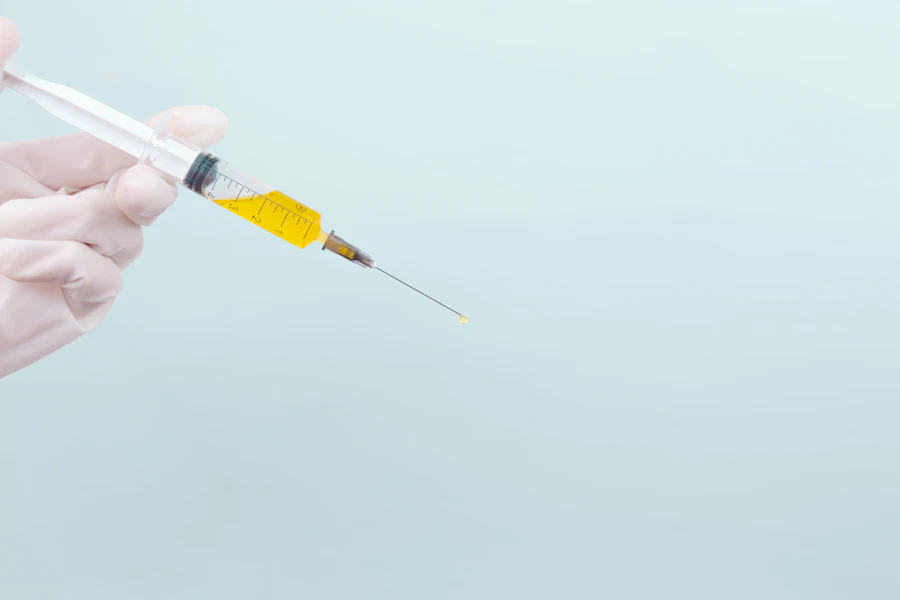
Understand what vaccination can—and cannot—do
When we discuss vaccination, I first ask what you hope it will do: change a current positive result, or help with future protection? Separating those expectations makes it easier to talk about both vaccination and follow-up.
HPV vaccination helps prevent new infections with the types covered by the vaccine. It does not treat an infection already present, genital warts or cervical cell changes. Age, previous doses and medical history all matter when considering vaccination. A positive HPV test is not, by itself, a cancer diagnosis; deciding about vaccination and arranging appropriate follow-up are separate conversations.
Who may benefit, and at what age?
If you are wondering, “Have I left it too late?”, I do not start with an age cut-off alone. I review your vaccination history first, then discuss what benefit might reasonably be expected at your age.
Protection is most useful before exposure to HPV. Vaccines are available for girls and boys from age nine.
CDC clinical recommendations describe routine vaccination at ages 11–12, with catch-up through age 26. For previously inadequately vaccinated adults aged 27–45, potential benefit is discussed individually rather than assumed for everyone.
These ages describe US recommendations, not a universal rule for every country. For vaccination in Türkiye, the locally applicable product information and individual suitability must also be checked. Advice for ages 27–45 should not automatically be extended to older adults. Bringing a record of previous doses helps clarify what has already been completed.
How many doses are needed?
Seeing different dose schedules can be confusing. I begin by checking when you received your first dose and how old you were then, before we work through the remaining appointments.
The schedule depends on age at the first dose, immune status, vaccine product and national programme. The EMA product information for the nine-valent vaccine includes a two-dose option at ages 9–14 and a three-dose course from age 15. Typical schedules are months 0 and 6–12 for two doses, or months 0, 2 and 6 for three. People with immune suppression need a specific assessment.
WHO also supports a single-dose alternative for certain age groups in population programmes. This explains why reliable sources may describe different schedules. It does not mean that everyone should stop an existing course after one dose. Your appointment plan should follow the applicable local guidance and product information.
Which HPV types are covered?
When I explain “nine types”, I put the types covered by the vaccine alongside any genotype listed in your report. This helps keep vaccine coverage and your current test result distinct.
The nine-valent vaccine covers types 6, 11, 16, 18, 31, 33, 45, 52 and 58. Other HPV types remain outside that coverage. Vaccination cannot promise complete protection for an individual or guarantee that every future HPV test will be negative. It is useful to distinguish protection against new infections from management of an infection already detected.
Vaccination after a positive result
After a positive result, it is understandable to ask whether vaccination will settle the issue. I discuss the vaccination decision and the follow-up plan separately, so neither gets lost in the conversation.
A positive HPV test does not establish previous exposure to every type covered by the vaccine. There may still be a preventive benefit against other types. However, vaccination must not replace or postpone follow-up of an abnormal HPV or Pap result. Bring the full report, including the date and any genotype information, so both questions can be considered together.
Screening and practical preparation
You do not need to remember every detail before the visit. We can go through the records you have, identify any missing information and discuss concerns about side effects or pregnancy plans from the outset.
People who have been vaccinated still need cervical screening appropriate to their age and history. At a vaccination consultation, mention previous severe allergic reactions, immune conditions, medicines and pregnancy. Vaccination is generally postponed during pregnancy. If a dose was given before pregnancy was recognised, contact your clinician for advice rather than assuming harm.
Record the product and dates after each dose. If you are travelling, discuss how later doses will be documented and arranged before beginning the course. Appointment availability, vaccine suitability and the schedule should be confirmed individually; this page is not a personal vaccination prescription.
Questions we can talk through in your consultation
You do not need medical terminology to ask your question. “What does this mean for me?” is a useful place to start; I clarify the concern before explaining what the report shows.
Is vaccination still worth discussing at my age?
There is no single worldwide rule. CDC recommends an individual discussion for some adults aged 27–45; local licensing and your likely benefit also need to be checked.
I first check whether you have already completed a course, then discuss the possible benefit at your age.
I was vaccinated but tested positive. Did the vaccine not work?
Yes. Vaccination does not cover every HPV type or protect every recipient completely. A later positive test does not automatically mean the vaccine course should be repeated.
When reviewing this, I look at your vaccination record alongside the type reported by the test.
I already have HPV. Could vaccination still help me?
Vaccination may still be considered after an eligibility assessment. Its purpose is prevention of other covered infections, not clearance of the current result.
I keep the question of future protection separate from how we will follow up the current result.
I missed a dose. Do I have to start all over again?
An interrupted course can often be continued. Bring your dose records so the clinician can check valid intervals and arrange the remaining dose or doses.
If you are unsure of the dates, bring the records you have so we can work through them together.
Do I really need an HPV test before I can have the vaccine?
Routine HPV testing solely to decide on vaccination is not required for everyone. Screening that is already due, or assessment of symptoms, is a separate issue.
I explain why a test is being considered, so vaccination preparation and screening that is due remain separate questions.
I have had all my doses. Can I stop having smear tests now?
No. Continue screening according to your age, test type and previous results, even after completing the vaccine course.
I make a point of clarifying your screening plan separately from your vaccination schedule.
Could this vaccine stop me having children later?
Available safety evidence does not support the claim that HPV vaccines cause infertility. You can discuss pregnancy plans and specific concerns during the consultation.
Please bring up this concern; we can look together at the claim you have encountered and the evidence behind it.
Related guides
Sources
Appointments and practice information
For an individual assessment in Şişli, Istanbul, you can contact the practice or view the appointment calendar. Bring current and previous test reports.
Medical content lead: Op. Dr. Alparslan Demir
Obstetrics and Gynecology Specialist. Specialist training: Taksim Training and Research Hospital. Following compulsory service in Şanlıurfa, he worked at Medicana International Istanbul and Avicenna Hospital. He has practised at his private office in Şişli since 2014. Education and professional background (Turkish).