
Cervical health · Şişli, Istanbul
By Dr Alparslan Demir · Specialist in Obstetrics and Gynaecology
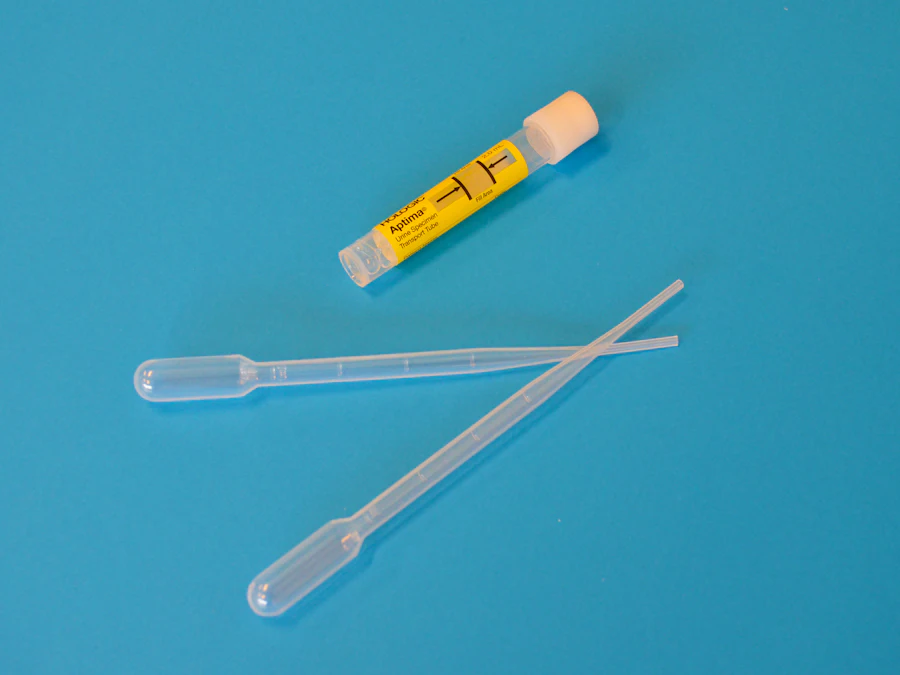
What does a Pap test tell you?
If you have more than one result, I start by identifying which test each report belongs to. Separating “HPV” from “Pap” or “smear” gives us a clearer starting point for the discussion.
A Pap smear, also called cervical cytology, examines cells collected from the cervix. An HPV test looks for particular types of the virus. Samples may be collected during the same visit, but the tests answer different questions. Normal cytology does not establish that HPV is absent, and abnormal cytology alone is not a diagnosis of cancer.
What happens during the appointment?
If the thought of the examination makes you anxious, please say so before sampling. I explain how the sample is collected, then ask about any previous difficult examination and the part that worries you.
The reason for testing is explained and you have an opportunity to ask questions. You will usually remove clothing below the waist, use a covering and lie on your back with your knees bent. A speculum allows the cervix to be seen. A small brush collects cells, which are sent to a laboratory. Collecting the sample is brief and is different from taking a tissue biopsy.
You may notice pressure or short-lived discomfort. Tell the clinician if it hurts; you can ask for a pause or for the examination to stop. Mentioning a previous difficult examination beforehand allows preparation to be adjusted. Light spotting can follow sampling, but persistent substantial bleeding needs assessment.
When is screening due?
When discussing whether another test is due, I first check the name and result of the last one. Before we talk about dates, we distinguish routine screening from follow-up of a particular finding.
Intervals depend on the country’s programme, age, test method and earlier results. Primary HPV screening, cytology alone and combined testing do not necessarily follow identical schedules. Some guidelines use three-year intervals for cytology alone and five-year intervals for HPV-based testing in average-risk groups. These examples are not a personal schedule; screening in Türkiye should follow the applicable national programme and individual clinical history.
Visitors from other countries should bring their screening records rather than assume their home invitation schedule automatically applies to every clinical situation.
England, for example, uses HPV-based screening invitations for people with a cervix aged 25–64, with the interval affected by results and history. A previous abnormality, treated CIN or immune suppression requires a separate follow-up plan.
Bleeding after sex, unexplained bleeding between periods or unusual discharge should be assessed even when routine screening is not yet due. Screening intervals are not instructions to delay investigating symptoms.
Can the sample be taken during a period?
If bleeding starts before the appointment, I ask about its nature as well as its timing. That allows us to discuss both the sampling date and whether a symptom needs a separate assessment.
Heavy menstrual bleeding can make assessment more difficult, so routine sampling is often arranged when you are not bleeding. If there is light spotting, contact the practice for advice. Unexplained bleeding itself needs evaluation; do not postpone that assessment while waiting for an ideal screening date.
Ask about preparation involving vaginal medicines, creams, lubricants or sex before the appointment. Do not stop prescribed treatment without advice. Mention possible pregnancy and any previous abnormal results so the reason for sampling is clear before the examination begins.
Understanding common abbreviations
Seeing HSIL or AGC on a report can be unsettling, particularly while you are waiting for an explanation. I first put the abbreviation into plain language, then return to the report as a whole.
NILM
Negative for intraepithelial lesion or malignancy: those cell changes were not identified in the sample. This is a cytology finding, not another way of saying HPV-negative.
ASC-US
Atypical squamous cells of undetermined significance. The HPV result and previous history help determine whether repeat testing or further assessment is appropriate.
LSIL
A low-grade squamous intraepithelial lesion. It is often associated with HPV, but a cytology label is not itself a biopsy-confirmed CIN grade.
HSIL
A high-grade squamous intraepithelial lesion. Timely further assessment is important, but the abbreviation does not establish that cancer is present.
AGC
Atypical glandular cells. Depending on age, symptoms and risk factors, assessment may involve the cervical canal and sometimes the lining of the womb.
Read the complete report, not one abbreviation
I do not read only the result printed in bold. I work through sample adequacy, dates and earlier findings, explaining which question each piece of information answers.
Sample adequacy, HPV genotype, cytology and earlier findings need to be considered together. The viral-load number reported by the laboratory used by the practice is part of HPV testing; it is not an examination of cervical cells. It cannot cancel out abnormal cytology or substitute for indicated investigation.
Questions we can talk through in your consultation
You do not need medical terminology to ask your question. “What does this mean for me?” is a useful place to start; I clarify the concern before explaining what the report shows.
Will you cut a piece of tissue when you take the smear?
No. A brush collects cells. A tissue biopsy is a separate procedure whose purpose should be explained if it is needed.
Before the examination, I explain the difference between collecting cells with a brush and taking a biopsy.
My report says NILM. Does that mean the HPV has gone?
NILM describes the cell sample. The HPV test must be checked separately to understand whether HPV was detected.
I show the cell result and HPV result alongside each other to explain the distinction.
I have ASC-US. Am I going to need surgery straight away?
Not on its own. HPV and previous results guide the choice between surveillance and further assessment.
I first explain the wording, then why surveillance or another investigation is being discussed.
My smear says LSIL. Is that definitely CIN 1?
They can be related, but LSIL describes cytology and CIN describes a tissue biopsy. Knowing which sample the report refers to is important.
We first establish whether the document describes a cell sample or a tissue sample.
It says “inadequate sample”. Can I take that as a normal result?
No. It means the sample could not be adequately assessed. The repeat-testing plan depends on HPV findings and the clinical history.
I do not translate “inadequate” into “normal”; I explain why reassessment is being planned.
My smear is normal, but I am still bleeding. Should that be checked?
Yes. Cervical screening does not exclude every gynaecological condition. Bleeding, pain or unusual discharge may need a separate assessment.
I listen to the symptom separately from reading the report, rather than assuming a normal result answers every question.
Related guides
Sources
Appointments and practice information
For an individual assessment in Şişli, Istanbul, you can contact the practice or view the appointment calendar. Bring current and previous test reports.
Medical content lead: Op. Dr. Alparslan Demir
Obstetrics and Gynecology Specialist. Specialist training: Taksim Training and Research Hospital. Following compulsory service in Şanlıurfa, he worked at Medicana International Istanbul and Avicenna Hospital. He has practised at his private office in Şişli since 2014. Education and professional background (Turkish).