
Pregnancy guide · Şişli, Istanbul
Mild groin or lower abdominal discomfort can occur during pregnancy. What matters is how severe it is, how long it lasts, whether it is one-sided, your pregnancy week and any bleeding, fluid leakage, fever or faintness. A symptom pattern can guide assessment, but cannot establish the cause on its own.
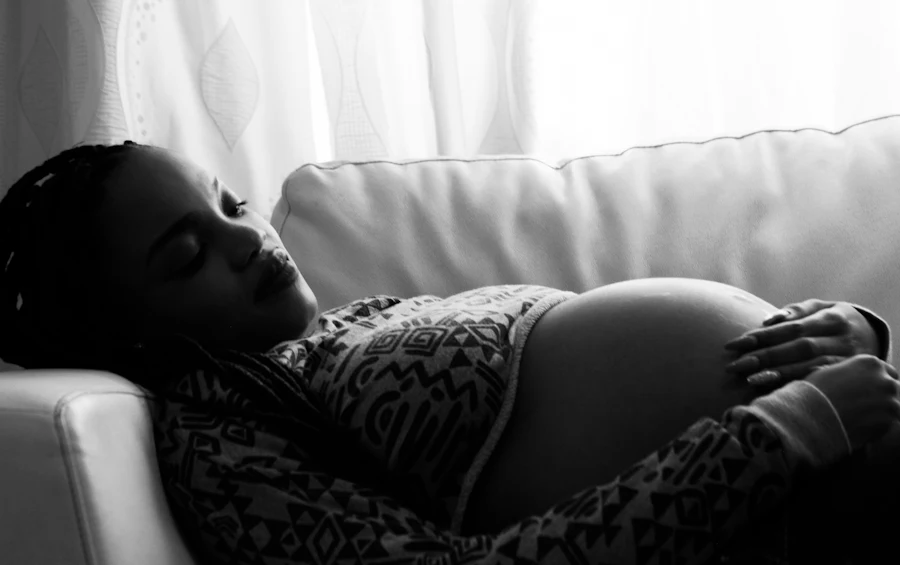
What can cause groin pain in pregnancy?
Growth of the uterus, stretching of supporting ligaments, constipation and trapped wind can produce brief, mild discomfort. A short episode that settles after a change of position or rest may have a less serious cause, but improvement alone does not rule out a problem.
Ectopic pregnancy, pregnancy loss, urinary infection, preterm labour and placental problems can also cause pain. The distinction depends on your symptoms, pregnancy stage and examination. Do not assume new or persistent pain is simply the uterus stretching.
When should I contact my maternity team?
Contact your maternity team promptly if pain persists, keeps returning or is accompanied by spotting, bleeding, fluid leakage, fever, pain when passing urine or a change in your baby’s usual movements. Regular cramps or tightenings, particularly before 37 weeks, need immediate contact with a hospital maternity unit.
- New pain that is becoming more frequent or stronger.
- Pain that does not settle with rest.
- Pain together with bleeding or suspected waters breaking.
- Burning when passing urine, frequent urination or fever.
- Regular cramps, contractions or unusual back pain before 37 weeks.
If you are unsure how urgent the symptoms are, contact your care team rather than waiting until morning or your next routine visit. Severe symptoms require hospital assessment.
Why does my right or left groin hurt?
The side of the pain does not identify its cause. Ligament-related discomfort can be one-sided, but new, persistent or worsening pain should not be attributed to ligaments without assessment.
In early pregnancy, it is important to know whether a pregnancy inside the uterus has been confirmed. One-sided pain with bleeding, shoulder-tip pain, fainting or marked dizziness needs urgent assessment for an ectopic pregnancy. An ectopic pregnancy can occur without obvious vaginal bleeding.
The clinician may use your pregnancy dates, ultrasound findings and, when appropriate, changes in blood beta-hCG levels. If the first scan has not yet located the pregnancy, complete the planned follow-up; new symptoms should be assessed before the scheduled appointment.
Pain when walking or turning over in bed
Groin, pubic, hip or lower back pain that increases with walking, stairs, standing on one leg or rolling over in bed may be related to pelvic girdle pain. This pattern still needs assessment to exclude other causes.
Tell your clinician if movement is becoming difficult. Once assessed, a physiotherapist experienced in pregnancy may help with movement, activity and support options. You do not have to struggle through worsening symptoms without asking for help.
What may help mild groin pain?
Relief depends on the cause. New, severe or persistent pain should be assessed first. If discomfort is mild and brief and there are no warning signs, a comfortable position and a short rest may help.
For pain assessed as musculoskeletal, your clinician may suggest:
- Changing position gently and avoiding movements that clearly worsen symptoms.
- Balancing activity with rest instead of prolonged sitting or standing.
- Using a pillow between your knees when lying on your side.
- Keeping your knees together as you turn in bed.
- Avoiding heavy lifting and repeated stairs if these aggravate the pain.
- Choosing exercises or a support belt after individual assessment.
Do not delay care to try these measures if you have bleeding, leaking fluid, regular contractions, fever or increasing pain. Ask your clinician before taking painkillers or herbal products during pregnancy.
What may happen at the assessment?
The clinician reviews your pregnancy week, the timing and location of the pain, associated symptoms and relevant history. Depending on the findings, assessment may include an examination, abdominal or transvaginal ultrasound, urine tests, blood tests or beta-hCG follow-up.
The aim is to distinguish common pregnancy-related discomfort from a condition that needs treatment or hospital monitoring. Not every patient needs the same tests. Bring any previous scan and laboratory reports.
Can I wait until morning?
A brief, mild episode that clearly improves with rest and has no associated warning signs may allow short observation. If pain persists, returns, gets worse or leaves you uncertain, contact your maternity team without waiting until morning.
Severe pain, heavy bleeding, fainting, shoulder-tip pain, breathing difficulty or serious illness should be assessed in hospital immediately. An office appointment or WhatsApp conversation cannot safely exclude an emergency.
Common questions
When does groin pain start and how long does it last?
There is no single starting week or duration. Early cramps, brief pulling with movement and pelvic girdle pain have different causes. The severity, persistence, relationship to movement and associated symptoms matter more than the pregnancy week alone.
Is groin pain normal in the first weeks?
Mild, brief discomfort may occur early, including from constipation or wind. Being early in pregnancy does not make pain automatically normal. Persistent or severe pain, bleeding, faintness or shoulder-tip pain needs prompt assessment.
Does groin pain mean my baby has been harmed?
Pain alone does not establish harm to the baby. Its cause and the associated findings need to be assessed.
Can a serious problem occur without bleeding?
Yes. Some important conditions cause pain without visible bleeding. Severe or persistent pain is itself a reason to seek assessment.
Will I need an ultrasound?
Not everyone does. Your pregnancy week, symptoms and examination determine whether ultrasound or other tests are needed.
Plan a non-emergency appointment in Şişli
For an English consultation with Dr Alparslan Demir, share your pregnancy week if known and your preferred appointment day. Bring previous scan and test reports, your medication list and any relevant maternity or vaccination records. Availability is confirmed by the practice.
19 Mayıs Mahallesi, Halaskargazi Caddesi No: 226/1, Çiftkurt Apartmanı, Floor 1, Apartment 1, Şişli, Istanbul. Plan your visit in English.
The practice is not a hospital emergency department. Urgent symptoms need hospital assessment. Do not wait for an appointment or message reply; call 112 in a medical emergency in Türkiye.