
IUD GUIDE / HORMONE-FREE CONTRACEPTION
GyneFix: a frameless copper chain
GyneFix is a hormone-free intrauterine device with copper sleeves arranged on a surgical thread. Unlike a conventional T-shaped IUD, it does not have a plastic T-frame. It also differs from the rounded Ballerine device.
Dr. Alparslan Demir provides GyneFix assessment and fitting at his practice in Şişli, Istanbul. The consultation considers your contraception preferences, menstrual pattern and uterine anatomy before deciding on a method.
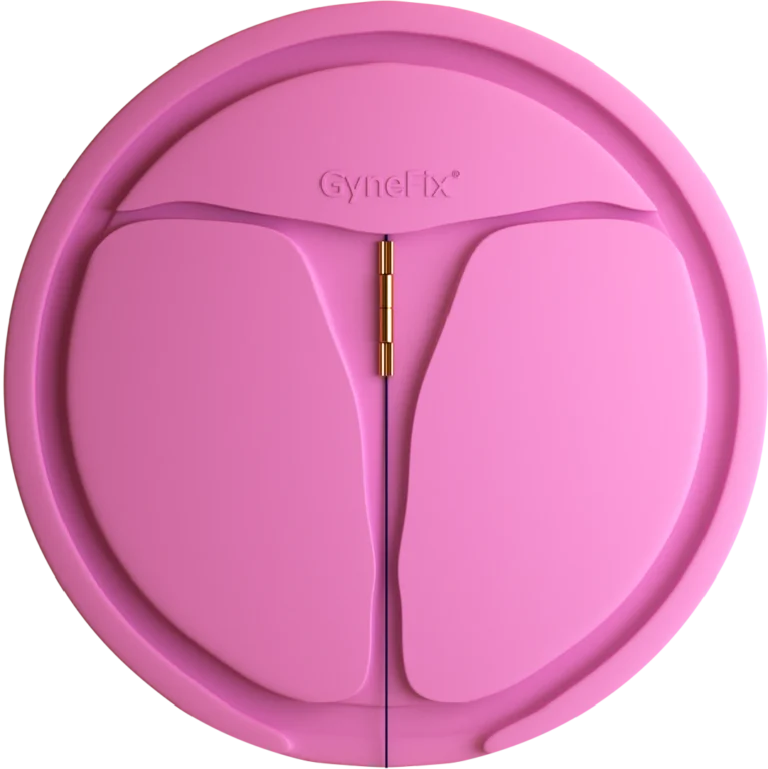
How is GyneFix held in place?
A small knot at the upper end is anchored in the muscle at the top of the uterus. Fitting therefore uses a different technique from a conventional T-shaped coil and requires familiarity with this device.
An anchor does not mean that expulsion or displacement is impossible. Descriptions such as “a coil that never moves” should not be taken as a guarantee.
GyneFix, a copper coil or Ballerine?
The main design distinction is the way the copper is supported and the device is retained. A conventional copper coil usually has a T-frame; GyneFix is a frameless anchored chain; Ballerine has a rounded copper-bead frame. They are not interchangeable names for the same product.
If you have been told you have a “copper chain” or “bead coil,” check the brand and model on the device card. This matters for both insertion and removal.
Who may consider GyneFix?
It can be discussed with someone seeking a long-acting, hormone-free option. Your previous IUD experience, bleeding and pain, pregnancy possibility and examination findings are considered together. Difficulty with a previous coil does not guarantee that a different design will be free of problems.
Copper devices can increase menstrual bleeding or cramps. Suspected pregnancy, unexplained bleeding or an active infection requires assessment before fitting. Like other IUDs, GyneFix does not prevent sexually transmitted infections.
Compare copper and hormonal IUD options before deciding. A hormonal device may be relevant when heavy periods are a major concern, depending on the individual clinical situation.
Fitting and follow-up
The consultation covers the insertion technique, possible discomfort, pain-control options and the circumstances in which another method may be more suitable. The model and replacement date are documented. Keep your device card and follow the aftercare advice given for your individual situation.
Do not use another IUD’s advertised lifespan to decide when your GyneFix should be replaced. The model and current product instructions determine the plan.
How is GyneFix removed?
Removal is performed by a clinician who takes the anchoring mechanism into account. If the strings are missing, the location is assessed first. This finding alone does not mean surgery is needed.
The IUD removal guide explains office retrieval, pain relief, difficult removal and when further procedures may be appropriate. Tell the practice about any previous attempt to remove the device.
Frequently asked questions
Does GyneFix contain hormones?
No. It is a copper-based method. Hormone-free does not mean that bleeding changes or other side effects are impossible.
Is GyneFix the same as Ballerine?
No. GyneFix is an anchored chain. Ballerine takes a rounded shape and does not use the same anchoring mechanism.
Is it guaranteed to be more comfortable?
No individual device can guarantee pain-free fitting or trouble-free use. Suitability, your experience and the available evidence should be discussed together.
Dr. Alparslan Demir · Obstetrician and Gynecologist
English edition: 7 October 2026. General patient information; assessment and procedure decisions are individualized.
Author and medical content responsibility: Op. Dr. Alparslan Demir · Obstetrics and Gynecology
First published:
Content updated: