
IUD GUIDE / REMOVAL AND REPLACEMENT
Can an IUD with missing strings be removed in the practice?
Yes, in suitable cases. If the strings cannot be seen at the cervix, this alone does not mean that surgery is necessary. The first step is to establish where the IUD is and whether removal in the practice is appropriate.
At his Şişli practice, Dr. Alparslan Demir removes IUDs with missing strings using specialist retrieval instruments in selected cases, sometimes without anesthesia. The plan depends on the device’s position, any previous attempts and your comfort. Removal without anesthesia is not a promise of a painless procedure.
Removal when the strings are visible
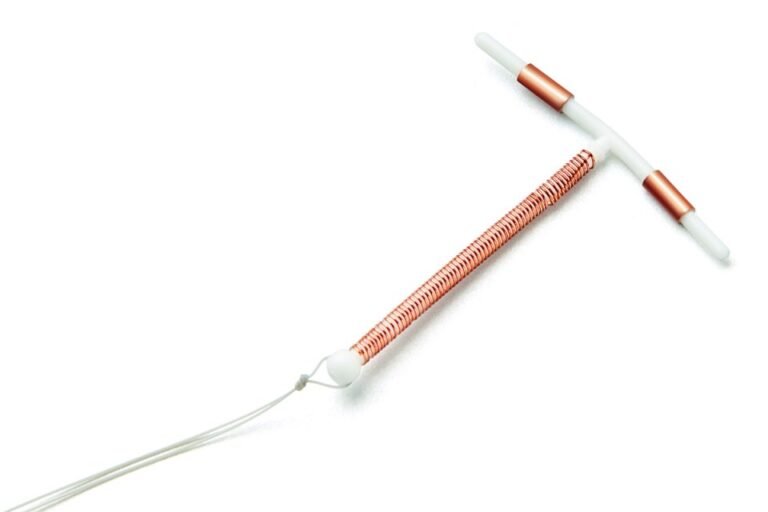
When the strings can be reached and there is no unexpected resistance, a clinician removes the device with controlled traction using an appropriate instrument. Brief cramping can occur, and the removed device is checked for completeness.
Significant pain, resistance or another unexpected finding calls for reassessment. Visible strings do not guarantee a straightforward removal. The device type and any previous unsuccessful attempt also matter.
Missing IUD strings: establish the location first
Strings may have retracted into the cervical canal or uterus, been cut short or broken. Expulsion and perforation must also be considered. “I cannot feel the strings” does not establish either that the device is correctly positioned or that it has fallen out.
Assessment may include a pregnancy test, examination and ultrasound. If ultrasound cannot clearly locate the device, further imaging may be needed. Intrauterine retrieval should not proceed without confirming its location.
Specialist instruments and ultrasound guidance
When the IUD is confirmed to be inside the uterus and office removal is suitable, instruments designed to retrieve the strings or the device may be used. Ultrasound guidance can be considered. The technique is selected for the individual device and clinical findings.
Source: Prabhakaran and Chuang: in-office retrieval of IUDs with missing strings.
What to tell us when booking
You can simply say: “I would like my IUD removed, and the strings are not visible.” Mention the brand, approximate insertion date and whether anyone has already attempted removal. Bring the device card and previous ultrasound reports if available; missing paperwork does not prevent you from requesting an assessment.
Pain relief and anesthesia
Your previous experiences, anxiety and preferences should be discussed before the procedure. Removal without anesthesia may be suitable for some people, but cramps or pain can still occur. Pain relief, local anesthesia or a procedure in another setting may be appropriate.
You can ask for the procedure to stop at any time. Repeated attempts should not continue simply to complete removal without anesthesia. The aim is a suitable, tolerable and clinically appropriate procedure.
Embedded, broken or previously non-removable IUDs
If an IUD is thought to be embedded, its relationship to the uterine wall needs assessment. If a device is broken, the clinician considers whether any part remains. Previous reports and images can help avoid repeating an unsuccessful approach.
When might hysteroscopy be needed?
For a fuller explanation of uterine cavity assessment, pain relief and potential complications, see our English-language hysteroscopy guide.
Hysteroscopy allows the uterine cavity to be viewed with a camera. It may be considered when appropriate office retrieval has not been possible or when embedding or a retained fragment requires direct visualization. An IUD outside the uterus may need a different surgical approach. Missing strings alone do not determine which procedure is needed.
Contraception before removal
If you do not want to become pregnant, use condoms or avoid intercourse for the 7 days before planned removal, and discuss the transition to your next method. Tell the doctor about recent sex without additional protection before removal, even if a same-day replacement is planned: a new device cannot always be fitted as expected.
If you cannot feel the strings, use additional contraception until placement has been assessed. Seek prompt advice if you have recently had unprotected sex, as emergency contraception may need consideration.
After IUD removal
The next steps depend on whether you want to conceive, continue contraception or address symptoms that led to removal. Follow the instructions given for your procedure. Pregnancy can become possible promptly after removal.
When to seek urgent help
Seek urgent assessment for severe or worsening abdominal pain, fever, very heavy bleeding, fainting or suspected pregnancy. Pain or bleeding together with a positive pregnancy test needs urgent assessment, including exclusion of ectopic pregnancy. Do not wait for a routine appointment if you feel acutely unwell.
Frequently asked questions
Do I need to be on my period?
No. Removal can be performed at different times in the cycle, but recent intercourse and your contraception plan must be considered.
Can I pull the strings myself?
Arrange clinician-led removal. Visible strings do not confirm that the device is correctly positioned or will come out easily. Do not insert instruments to retrieve it yourself.
Can Mirena and GyneFix also be removed?
Removal is planned for the exact device. GyneFix has an anchoring mechanism that differs from a conventional T-shaped IUD. Share the model and any previous procedure details when booking.
How long does removal with missing strings take?
A reliable time cannot be promised before assessment. Location, access to the device and the need for additional procedures affect the plan. Completion in one visit or without anesthesia is not guaranteed.
Why can the scope of removal vary?
Standard removal and removal involving missing strings, possible embedding or an additional procedure have different requirements. The approach and follow-up plan are discussed after assessment.
Dr. Alparslan Demir · Obstetrician and Gynecologist
English edition: 7 October 2026. General patient information; assessment and procedure decisions are individualized.
Author and medical content responsibility: Op. Dr. Alparslan Demir · Obstetrics and Gynecology
First published:
Content updated: