
WOMEN’S HEALTH / CONTRACEPTION
Choosing an IUD that fits your needs
An intrauterine device, often called an IUD or coil, provides long-acting, reversible contraception. Choosing one involves more than comparing how many years it lasts: your periods, previous experiences and pregnancy plans also matter.
This guide brings together copper IUDs, hormonal IUDs such as Mirena, the GyneFix copper chain and the Ballerine intrauterine ball. If you already have an IUD and want it removed, start with the IUD removal and missing strings guide.
Have you been told that your IUD strings are not visible?
Missing strings do not automatically mean that surgery is needed. Dr. Demir assesses the position of the device first. In suitable cases, removal with specialist instruments can be performed in the practice, sometimes without anesthesia. Comfort, pain relief and the option to stop are discussed beforehand.
What are the main IUD options?
Copper IUD
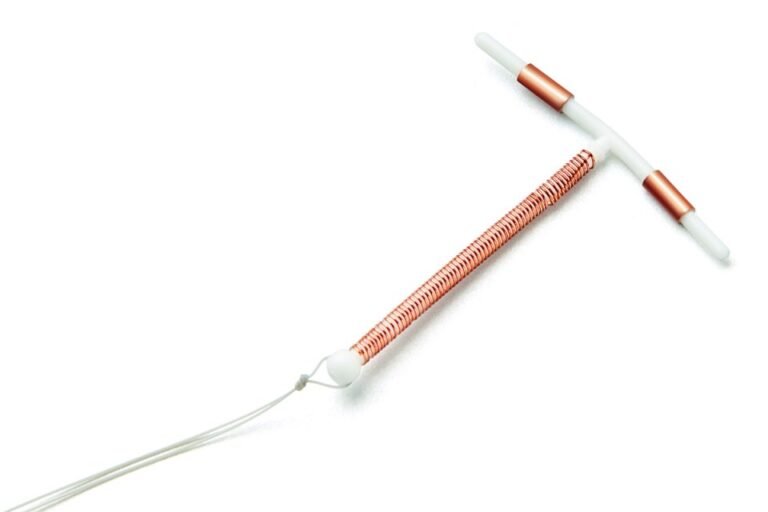
A conventional copper IUD is usually T-shaped and contains no hormones. It may suit someone who prefers a non-hormonal method, but heavier periods or stronger cramps are relevant considerations.
Compare copper and hormonal options →Hormonal IUD / Mirena
A levonorgestrel-releasing IUD is also called an intrauterine system, or IUS. Some products are used to manage heavy menstrual bleeding as well as for contraception. The indication and replacement interval must be checked for the exact product.
How periods may change →GyneFix copper chain
A frameless copper device held in place by a small anchor in the muscle at the top of the uterus. It has a different fitting technique from a conventional T-shaped coil.
Explore the GyneFix guide →Ballerine intrauterine ball
A hormone-free device with copper beads on a flexible frame that takes a rounded shape. Its design should be assessed alongside the evidence and current product information.
Explore the Ballerine guide →Source: WHO: intrauterine devices.
Copper coil or Mirena: how does the choice differ?
| Question | Copper IUD | Hormonal IUD / IUS |
|---|---|---|
| Does it release a hormone? | No; it uses copper. | Yes; it releases levonorgestrel. |
| How may periods change? | Bleeding and cramps may increase. | Initial spotting can occur; bleeding often becomes lighter over time. |
| How long can it remain in place? | Depends on the model and current product instructions. | Depends on the product and whether it is used for contraception or another indication. |
| Does it prevent sexually transmitted infections? | No. | No. |
Mirena is a brand, rather than a name for every hormonal IUD. Bring your device card if you already have a coil. The duration for one product should not be applied to another.
Which IUD may suit me?
There is no single best coil for everyone. A consultation considers whether you want a hormone-free method, whether your periods are heavy or painful, any previous expulsion or difficult removal, and when you may wish to become pregnant.
The assessment also considers your medical history and findings affecting the uterine cavity, such as certain fibroids. Never having given birth is not, on its own, a reason to rule out an IUD.
How is IUD insertion planned?
- Assessment: pregnancy possibility, symptoms and medical history are reviewed. Examination is followed by ultrasound or infection testing when clinically indicated; everyone does not need the same test package.
- Choice and consent: the device, expected bleeding changes, alternatives and pain relief are discussed.
- Insertion: the IUD is placed through the cervix. No abdominal incision is required.
- Aftercare: the model, insertion date and replacement date are recorded, together with advice about protection and when to seek help.
You do not necessarily need to wait for your period if pregnancy can reasonably be excluded. When protection begins and whether temporary additional contraception is needed depend on the device, timing and previous method.
Will insertion hurt?
Pain varies between individuals. Tell the doctor about previous painful examinations, anxiety or a difficult fitting. Discuss a pain-management plan beforehand; local anesthetic may be an option. You can ask to pause or stop the procedure.
Source: CDC: intrauterine contraception and person-centered pain management.
Removal, replacement and pregnancy plans
An IUD may be removed because you want to conceive, its replacement date has arrived, side effects are unacceptable or you prefer another method. A replacement may be possible at the same visit after assessment. Plan removal and contraception before the appointment.
Frequently asked questions
Is an IUD the same as a coil?
“Coil” is a common name for an intrauterine contraceptive. In English, a copper device is often called an IUD and a hormonal device an IUS. This guide uses IUD as the broader term and specifies the type.
Are GyneFix and Ballerine the same?
No. GyneFix is an anchored copper chain; Ballerine is a rounded copper-bead device. Their structures and insertion techniques differ.
How many years does an IUD last?
Check the exact model and its current product instructions. A hormonal device can also have different replacement intervals for contraception and for other medical uses.
Does an IUD protect against infections?
No. Condoms remain relevant when there is a risk of sexually transmitted infection.
How is IUD insertion planned?
The device, examination and any additional procedures affect the total. Ask what is included in your individual quotation before proceeding.
Dr. Alparslan Demir · Obstetrician and Gynecologist
English edition: 7 October 2026. General patient information; assessment and procedure decisions are individualized.
Author and medical content responsibility: Op. Dr. Alparslan Demir · Obstetrics and Gynecology
First published:
Content updated: